
 1 month ago
11
1 month ago
11
Middle East oil has long been a linchpin of the U.S. dollar’s status as the dominant currency in global trade and reserves, but President Donald Trump’s war on Iran could open the door to China’s currency, according to Deutsche Bank.
In a note on Tuesday, analysts pointed out that the current “petrodollar” regime goes back to a deal struck in 1974 when Saudi Arabia agreed to price its oil in dollars and invest surpluses in U.S. assets.
And because oil is a core input to global manufacturing and transport, supply chains have a natural incentive to dollarize, the note added. Indeed, Mideast oil and gas is used to make petrochemicals, fertilizer, and even helium, which is critical to chipmaking.
“The world saves in dollars in large part because it pays in dollars,” Deutsche Bank said. “The dollar’s dominance in cross-border trade is arguably built on the petrodollar: globally traded oil is priced and invoiced in USD.”
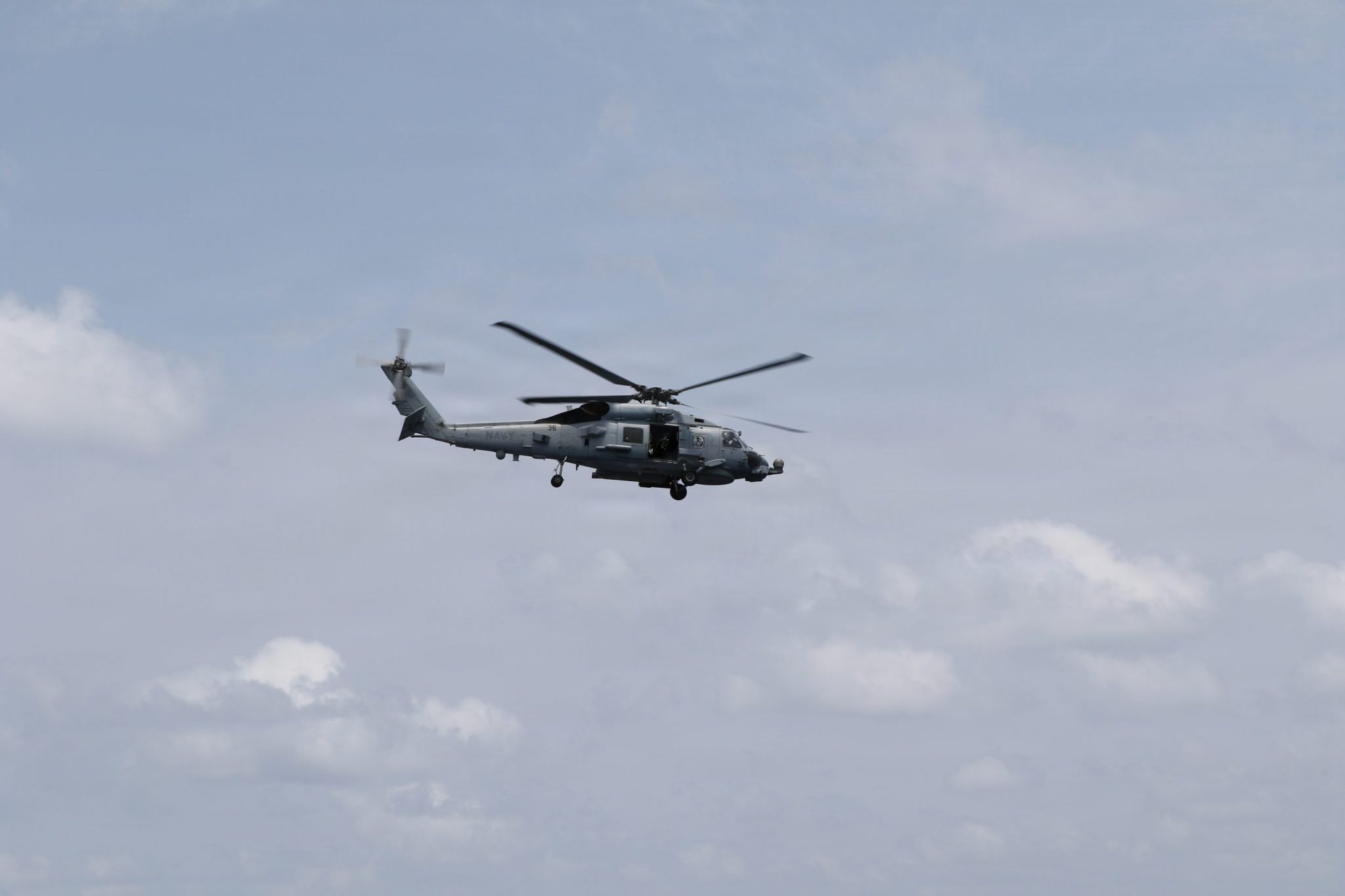
In exchange for Saudi Arabia recycling its dollars back into the U.S., Washington guaranteed the kingdom’s security, which also involved stationing troops in the region, providing advanced weapons, and ensuring free navigation in the Strait of Hormuz.
That security shield was on display in 1990, when Saddam Hussein invaded Kuwait and threatened Saudi Arabia. The U.S. assembled a massive international coalition to quickly defeat Iraq and l...








 English (US) ·