
.png) 10 hours ago
8
10 hours ago
8
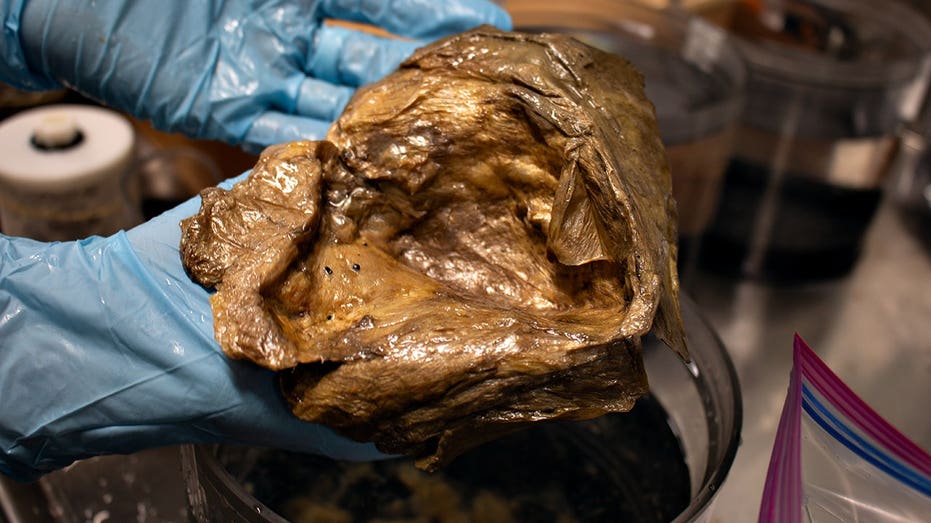
Scientists have successfully revived a 24,000-year-old microscopic organism from Siberian permafrost, offering new insight into how life can endure extreme conditions over vast stretches of time.
According to a study published in the journal Current Biology, researchers identified the organism as a rotifer — a tiny, multicellular animal often found in freshwater environments and known for its unusual durability.
The specimen had been frozen deep within Siberian permafrost since the Late Pleistocene, a period that ended roughly 11,700 years ago. Scientists say the surrounding ice-rich soil, known as the Yedoma formation, helped preserve the organism in a stable, frozen state for tens of thousands of years.
After carefully thawing the rotifer under controlled laboratory conditions, researchers observed that it resumed normal biological functions. The organism...












 English (US) ·