
 7 hours ago
7
7 hours ago
7
PARIS (AP) — From the outset, China wasn’t included when major powers gathered in 1975 at a chateau outside Paris to fix the slumping global economy, the first of what have become annual summits by the G7 club of wealthy nations to forward their interests.
No surprise there. Imagining Chinese revolutionary leader Mao Zedong brainstorming with U.S. President Gerald Ford and other leaders would have been unthinkable.
China was in turmoil, nowhere close to becoming the economic giant it is now. Mao had also helped defeat France and U.S. forces in Vietnam, by militarily supporting Ho Chi Minh’s communists that took power. So Mao would have been the odd man out had he been at the inaugural Rambouillet summit of six nations, growing into the G7 when Canada joined the following year.
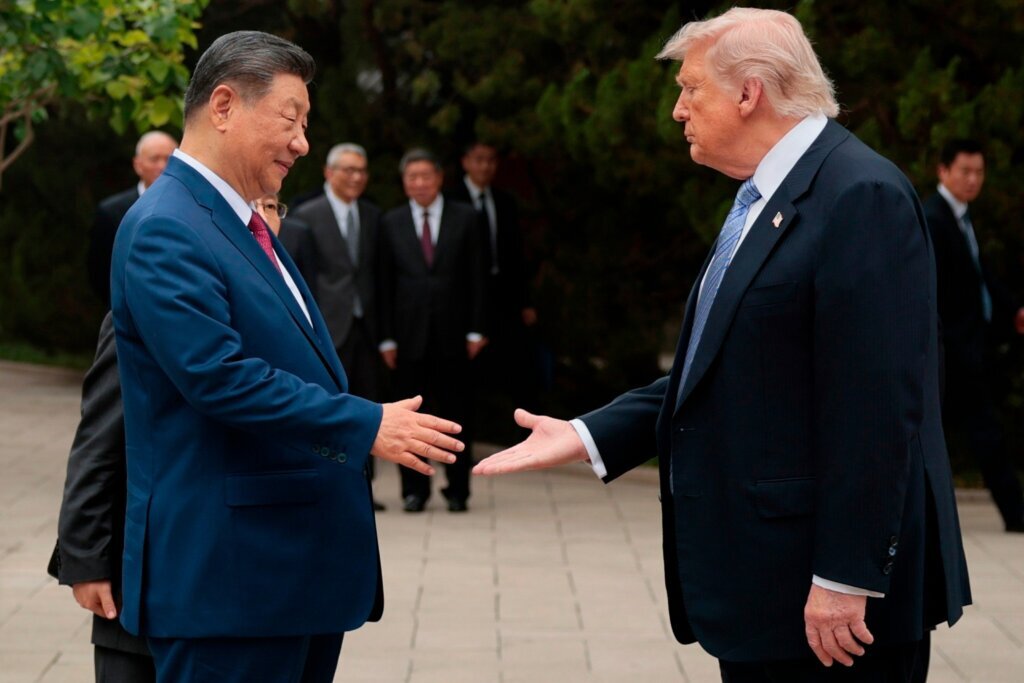
But as U.S. President Donald Trump and his G7 counterparts gather again in France from Monday, China’s exclusion from the informal club’s summits also looks odd, given its now immense sway over the world’s economic well-being and affairs.
Put simply: Without China, does the G7 make sense?
Here’s a closer look:
By the numbers, China would be a shoo-in
If determined only by economic success, China...








 English (US) ·